 Digest · Policy News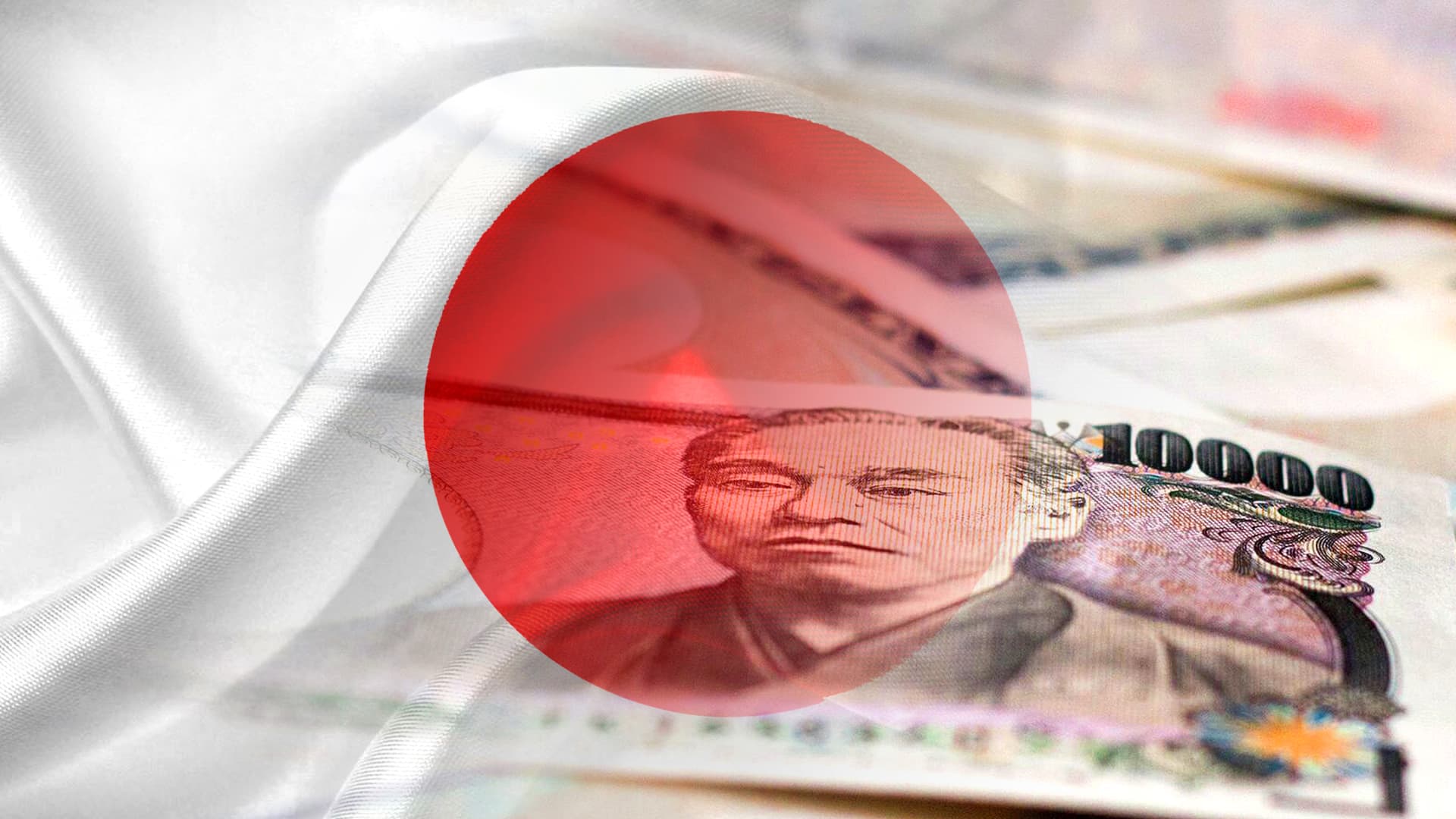
An editorial montage of the Japan flag and Japanese yen cash bank notes. Javier Ghersi | Moment | Getty Images Hello, this is Leonie Kidd coming to you from London. Welcome to another edition of CNBC's Daily Open.
This week, the "hikes" have it. Only one of three central banks opted to hold rates in the face of increasingly untamed inflation. The moves have triggered a volatile trading week for global stocks, but attention now turns back to geopolitics, as world leaders head to the United Nations General Assembly, and President Donald Trump hosts Chinese President Xi Jinping for a much-anticipated state visit.
Read on for more. What you need to know today The Bank of Japan voted to quicken the pace of its hiking cycle , raising rates by 25 basis points to a 31-year high. The decision was widely expected due to the country's rising inflation and historically weak yen.
The U.S. administration has also pressured Japan to continue raising rates, with Treasury Secretary Scott Bessent telling BOJ Governor Kazuo Ueda to take "decisive market and monetary steps" at the G20 finance ministers and central bank governors meeting earlier this month. The move follows a big week for the Federal Reserve, which also opted to raise rates in the face of strong resistance from the White House. On Friday, markets will get more details about that decision with commentary from Fed Governor Michelle Bowman and Kansas City Fed President Jeffrey Schmid.
Holding on One central bank has diverged from the hiking path. The Bank of England chose to keep rates on hold . But it could be short-lived, as Governor Andrew Bailey said the "longer this volatility persists, the bigger the impact it will have on inflation, and the more likely it is we will need to raise Bank Rate to ensure that inflation falls back to our 2% target." Squawk Box Europe will speak to a founding member of the bank's Monetary Policy Committee, DeAnne Julius, today.
Catch that interview here . Geopolitics returns to the fore Next week, investors will switch focus from monetary policy to geopolitical tensions. First up, the United Nations General Assembly meets in New York on Tuesday.
Trump is reportedly due to meet Gulf leaders on the sidelines of the event to discuss the next steps in the war with Iran. High-stakes diplomacy But the main event will be the state visit of Chinese President Xi Jinping to Washington D.C. next week, to meet Trump on Thursday. AI has emerged as a key agenda item, with OpenAI's Sam Altman and Nvidia's Jensen Huang due to attend the state dinner.
But trade tensions will not be far from anyone's mind. On Wednesday, the U.S. House cleared a bill allowing the Trump administration to impose further tariffs — although he's expected to hold off ahead of the state visit.
Weekend votes This weekend, there are two key political moments for investors to watch. Two state elections in Germany will mark another test for Chancellor Friedrich Merz after the far-right AfD party gained its first-ever victory in a regional vote last weekend. Merz has announced he will not attend the UNGA meeting in New York to focus on domestic campaigning.
Meanwhile, in Russia, the Kremlin is preparing to hold its first parliamentary election since the country's invasion of Ukraine in 2022. While the result of the tightly controlled vote is not in doubt, economic strains in the country could impact turnout and be a flashpoint for voter discontent. — Leonie Kidd And Finally... Pokémon card curbs send shares of Japanese online marketplace Mercari on a bumpy ride Shares of Mercari jumped more than 4% on Friday, extending their rebound from a selloff sparked by the Japanese online marketplace's restrictions on listings of Pokémon's 30th anniversary products announced Tuesday.
The company said the restrictions would remain in place for as long as it determines that a safe and secure trading environment cannot be ensured. Mercari said it imposed the temporary listing ban over concerns that a surge in transactions following the release of the anniversary products could lead to trading disputes, as well as harassment of users involved in transactions. — Jenny Lee
Source: CNBC